
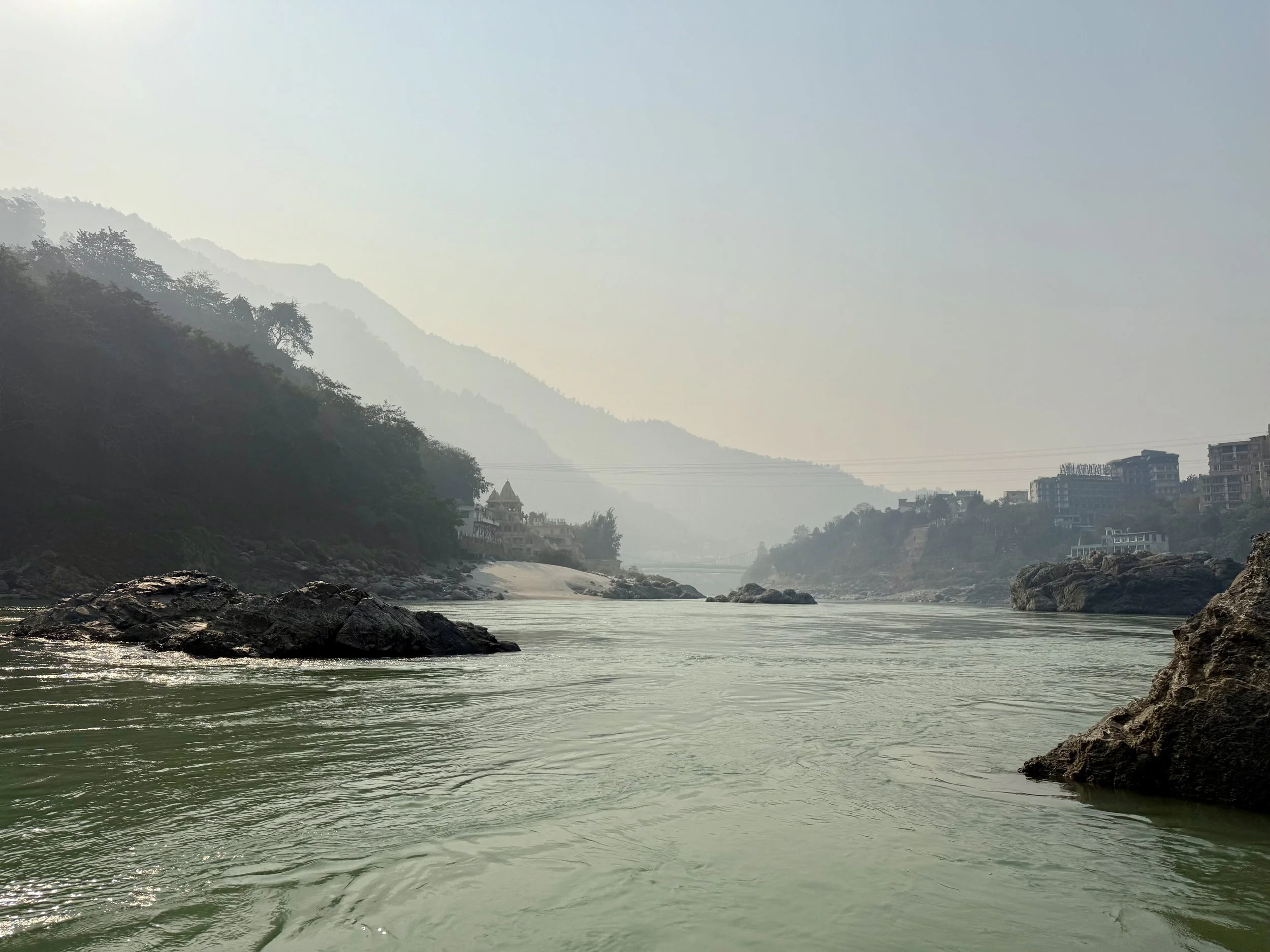
When swimming in a creek a few weeks ago with friends we noticed something subtle yet fascinating. The surface water felt cool and fresh, yet when we dipped our hands deeper, the water became warmer & slightly salty, as if we had crossed an invisible boundary within the same body of water.
Read More“Of course, you can’t force your mind to be silent. That would be like trying to smooth ripples in water with a flatiron. Water becomes clear and calm only when left alone.” - Alan Watts
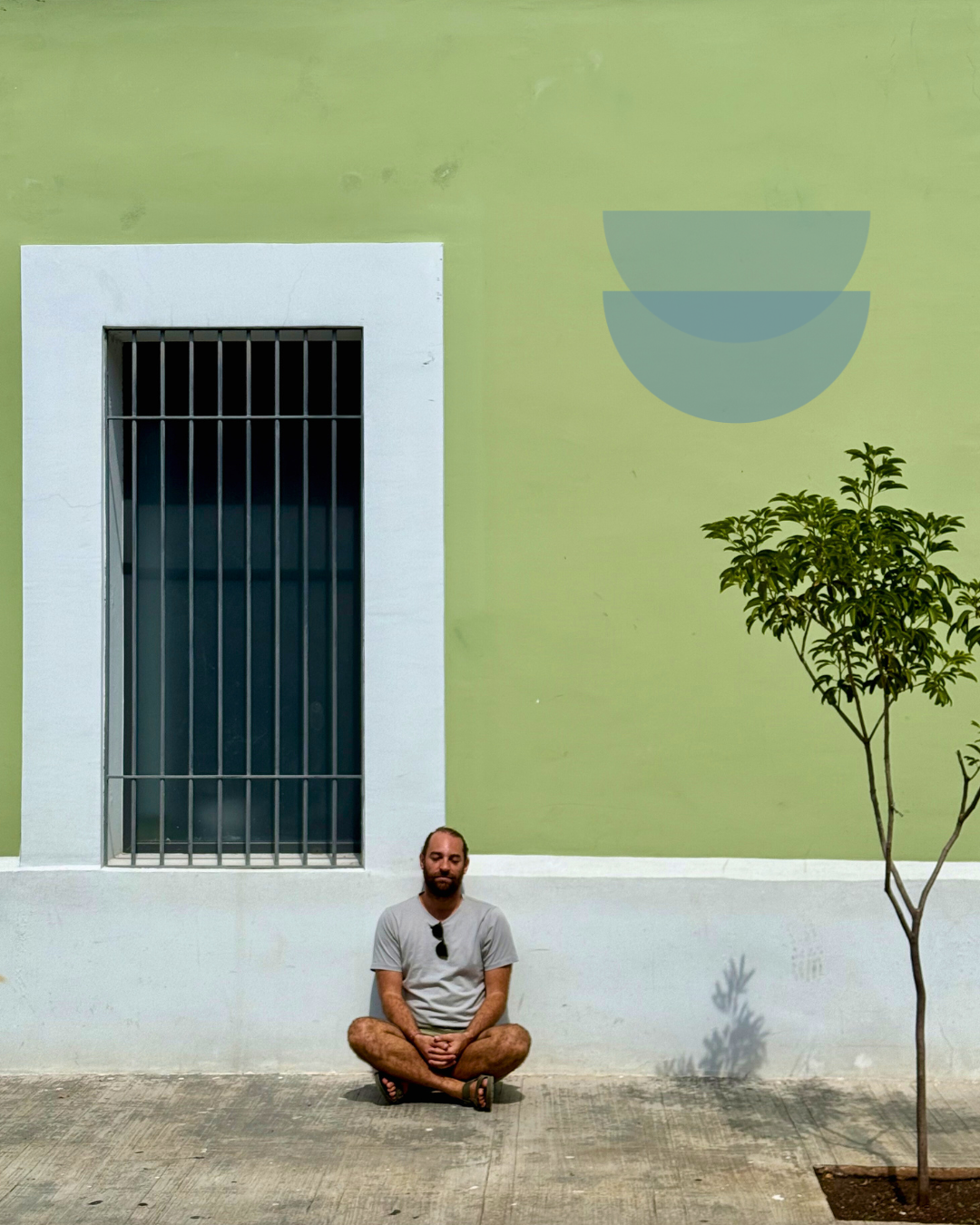
There is something deeply comforting in this image, because so much of modern life trains us to manage, improve, and optimise every aspect of our experience, including the movements of the mind. We subtly approach meditation with the same habit, assuming that calm will arrive through effort, discipline, or control. Yet the metaphor of water reminds us that clarity is revealed through allowing.
Read MoreNature Does Not Force Calm, It Allows Motion
Working with boys as an OT has taught me something about the intelligence of nature and the way it restores balance when we give it the space to do so.
There is a belief that emotional maturity comes from stillness, from sitting quietly, from holding it together and thinking harder. But boys are not built to regulate through stillness first.
Read MoreMeditation Is Not Hard
One of the biggest myths about meditation is that it’s hard. That you have to concentrate, control your thoughts, or ‘empty the mind.’ Not true. In Vedic meditation, we don’t fight the mind—we work with it. No effort, no struggle. You’re given a mantra, a specific sound, and that’s what does the heavy lifting. It naturally guides your mind into a state of deep rest. No forcing, no trying—just an easy, automatic process.
Read More